
Författare: SBFI
-

2000m2 Baltic – Co-creating food culture and innovation
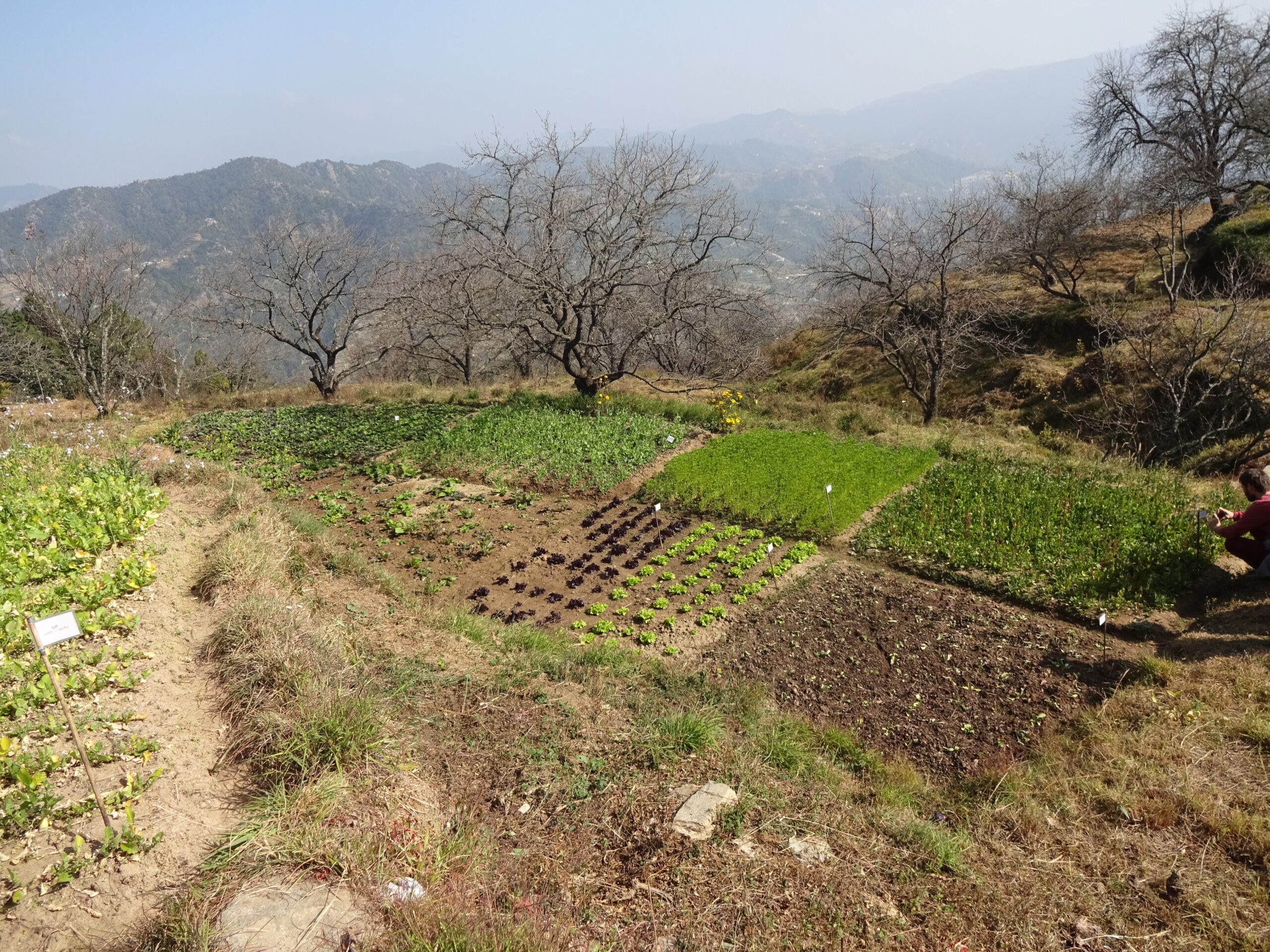
2000m2 Baltic – Co-creating food culture and innovation Transforming food systems on a global scale is one of the single most important things that need to happen in order to meet Agenda 2030 goals and to steer away from the worst climate change scenarios. This transformation needs to be guided by scientific knowledge about boundaries…
-
Project reports
Will Poland Make the Same Mistakes as Sweden? Opportunities and challenges for a transition to Ecological Recycling Agriculture to save the Baltic Sea environment Artur Granstedt, Sheshti Johansson, Maria Micha and Małgorzata Lekan. Download here. 150,000 Biodynamic Farmers – Report from India Artur Granstedt, January 2018 IFOAM (International Federation of Organic Agriculture Movements) organizes an…
-
Peer-reviewed publications
Highlighted papers can be downloaded here. For copies of other papers please contact our office. Artur Granstedt, Lars Kjellenberg, 2017, Carbon sequestration in long term on farm studies Granstedt, A, Kjellenberg, L. Carbon sequestration in long-term, on-farm studies in organic and biodynamic agriculture, Sweden Poster IFOAM, India November 2017. Granstedt, A. et al., 2008. Ecological Recycling Agriculture…
-
BERAS Publications
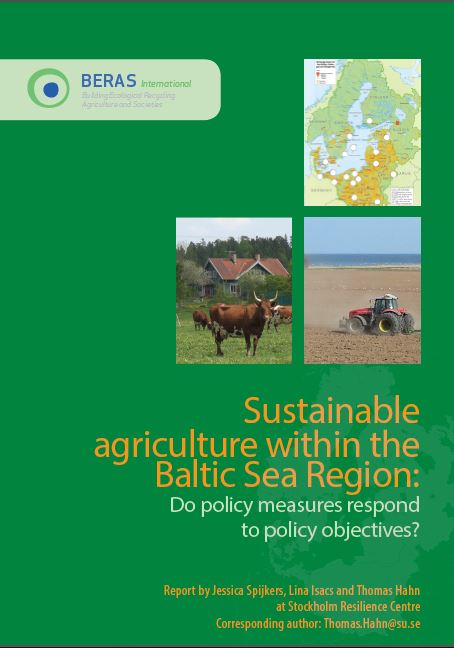
BERAS publications Sustainable agriculture within the Baltic Sea Region Resilience of our ecosystems is at stake. Despite various measures the eutrophication of the Baltic Sea is not decreasing and the resilience of multiple ecosystems is at stake. In this situation business as usual is not an option. New approaches are needed creating a safe operating space within…
-
Current projects
Current research projects 2000m2 Baltic – Co-creating food culture and innovation Partners: Rosendals trädgård, Sweden; Research Centre of Organic Farming of Estonian University of Life Sciences EULS RCOF (Eesti Maaülikooli Mahekeskus), Estonia; Estonian Organic Farming Foundation, (EOFF), Estonia; and Stanisław Karłowski-Foundation/ FSK (Fundacja imienia Stanisława Karłowskiego), Poland. Project leader Sofi Gerber. Financed by Swedish Institute.…
-
Aktuella forskningsfrågor för morgondagens jordbruk
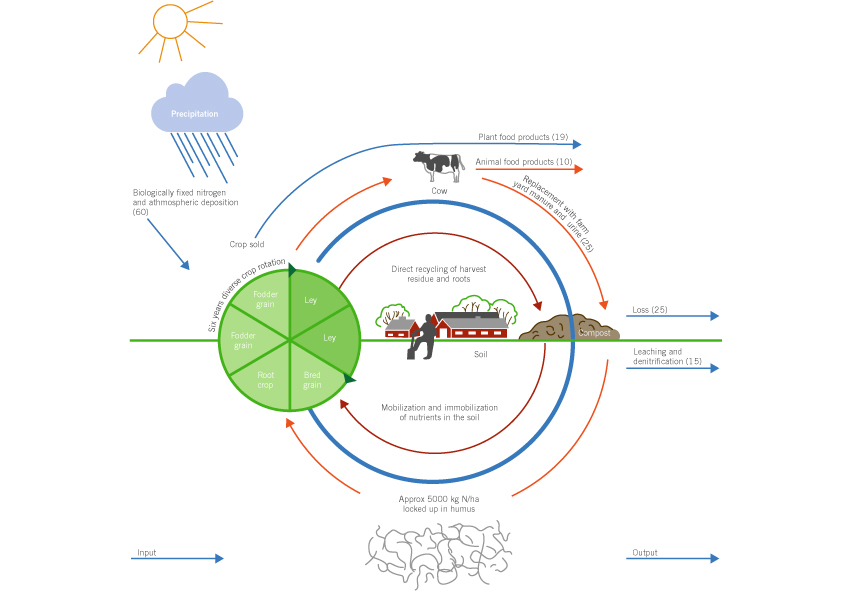
Presentation av nya forskningsresultat: Framtidssäkrat jordbruk Stoppa global uppvärmning genom livsmedelssystemet! Vår mat står för ca 1/3 av klimatutsläppen och utgör människans största klimatbelastning. En större del av belastningen sker i andra länder, ”varannan tugga är importerad”. Lantbrukets klimatbelastning skulle enligt forskningsresultaten kunna minska med 90% och samtidigt ge svensk självförsörjning av livsmedel. Resultaten…
-
Publications
Beginning in 1980 the Research Intitute has published peer-reviewed papers, reports, presentations and letters to the editor. Many can be downloaded here on our website. Please contact us if you need others. Peer-reviewed publications BERAS Implementation publications Project reports
-
Om oss
Varför behövs ett fristående forskningsinstitut på jordbruksområdet? Allt fler människor inser att produktion av livsmedel måste ske i enlighet med ekologiska principer och som bevarar och långsiktigt förbättrar odlingsjordarnas bördighet och produktionsförmåga. Det är också viktigt att vi får en näring som stärker vår hälsa. För det framtida jordbruket behövs en forskning som arbetar tvärvetenskapligt…
-
Research today for the future of agriculture
The Biodynamic research work The biodynamic research work has been conducted since the summer of 2020 within Skillebyholm’s center for biodynamic cultivation and at the Biodynamic Research Institute (SBFI) at Järna Internation Steiner College.
-
About us
Why is an independent research institute needed in the field of agriculture? More and more people realize that food production must be in accordance with ecological principles and which preserves and, in the long term, improves soil fertility and production capacity. Real nutrition that strengthens our health is also important. For future agriculture, interdisciplinary research of entire ecosystems…